Home

Category

Strategic Planning

22 articles

Trading on the Edge: How the Zone of Insolvency Transforms UK Director Responsibilities and Personal Risk

Trading on the Edge: How the Zone of Insolvency Transforms UK Director Responsibilities and Personal Risk

When a UK company's financial position deteriorates to the point where insolvency becomes a realistic possibility, the legal obligations of its directors undergo a fundamental shift that most business owners are entirely unprepared for. Continuing to trade through that period without a clear, documented strategy carries the risk of personal liability for wrongful trading — a consequence that courts impose without sympathy for good intentions. AC Norris Advisory sets out what directors must under

Ownership on Paper: Why Retention of Title Clauses Collapse at the Moment UK Businesses Need Them Most

Ownership on Paper: Why Retention of Title Clauses Collapse at the Moment UK Businesses Need Them Most

Retention of title clauses are routinely included in UK supply contracts as a safeguard against customer insolvency, yet the majority fail to deliver protection when it is actually needed. Poorly drafted provisions, inadequate implementation procedures, and fundamental misunderstandings about the legal requirements for enforceability mean that suppliers frequently discover they are unsecured creditors rather than asset owners. This article sets out what must be done before insolvency strikes to

Unclaimed and Forgotten: The Retention Payment Crisis Quietly Draining UK Construction Businesses

Unclaimed and Forgotten: The Retention Payment Crisis Quietly Draining UK Construction Businesses

Across the UK construction and project management sectors, billions of pounds in contractual retention funds sit permanently unclaimed, withheld by main contractors and clients long after the conditions for their release have been satisfied. For subcontractors and specialist suppliers, the failure to pursue these sums with commercial discipline represents a self-inflicted cash flow wound that compounds year after year. A structured retention management strategy is no longer optional — it is a pr

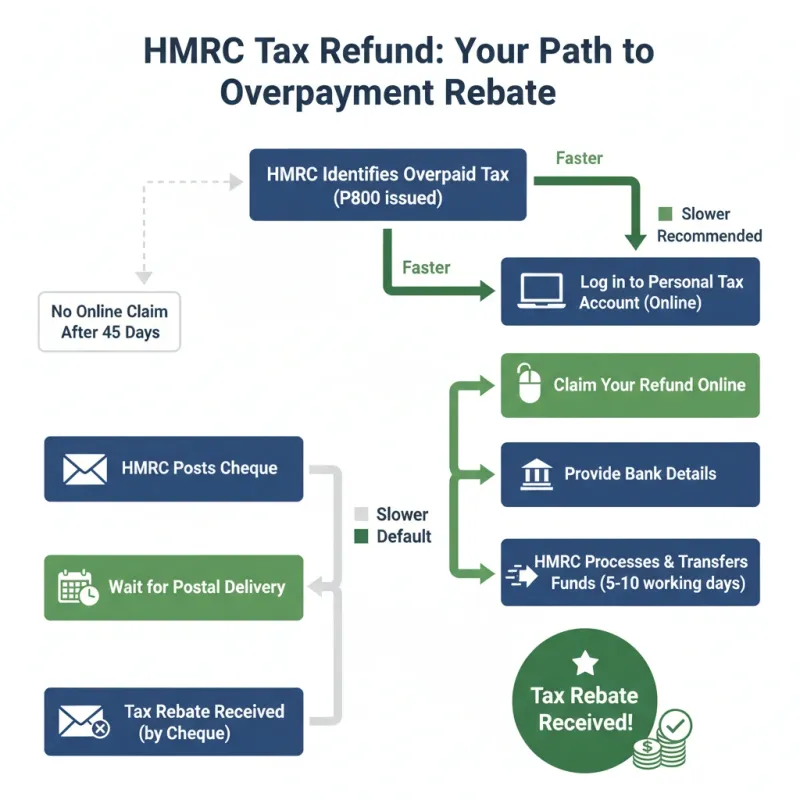
The Unclaimed Tax Surplus: Why UK Businesses Are Leaving Their Own Money in HMRC's Accounts

The Unclaimed Tax Surplus: Why UK Businesses Are Leaving Their Own Money in HMRC's Accounts

Across the United Kingdom, a significant and largely unacknowledged volume of tax overpayments sits dormant within HMRC's systems, belonging to businesses that either do not know the money exists or have allowed the claim window to close without acting. From miscalculated corporation tax liabilities to unclaimed capital allowances and overlooked R&D credits, the routes by which businesses overpay are numerous and the remedies, whilst available, are strictly time-limited. This article identifies

The TUPE Transfer Trap: Unexpected Workforce Acquisitions in UK Asset Transactions

The TUPE Transfer Trap: Unexpected Workforce Acquisitions in UK Asset Transactions

UK businesses pursuing asset acquisitions frequently discover that TUPE regulations have automatically transferred entire workforces along with their operations. This regulatory framework creates substantial inherited liabilities that can transform straightforward asset purchases into complex employment obligations.

Strategic Company Closure: Maximising Tax Efficiency When UK Business Owners Call Time

Strategic Company Closure: Maximising Tax Efficiency When UK Business Owners Call Time

The difference between haphazard company dissolution and strategic business closure can cost UK owners tens of thousands in unnecessary tax liability. Understanding the mechanics of Members' Voluntary Liquidation, Business Asset Disposal Relief eligibility, and timing considerations transforms routine closure into sophisticated tax planning.

The Intangible Advantage: Redefining Business Worth in the UK Exit Market

The Intangible Advantage: Redefining Business Worth in the UK Exit Market

UK business valuations increasingly hinge on intangible assets that traditional financial metrics fail to capture adequately. Forward-thinking owners are discovering that client loyalty, operational independence, and brand reputation often determine acquisition multiples more than revenue figures alone.